


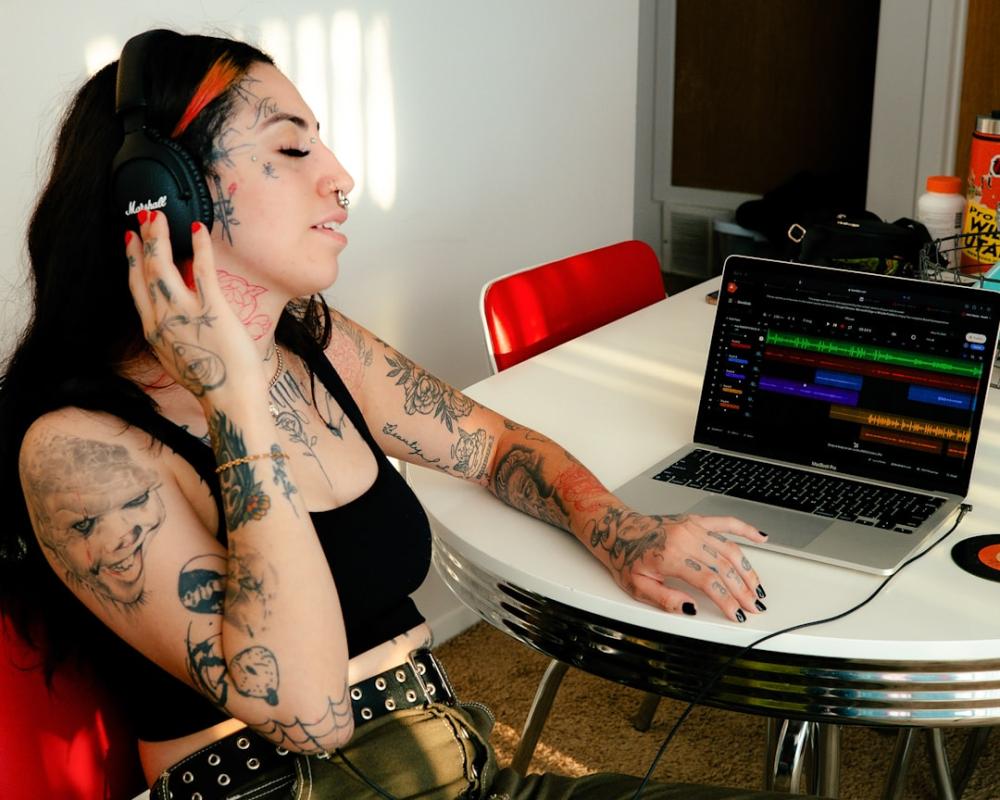
Unlocking the Secrets of Sonic Sorcery
Picture this: a vast, uncharted galaxy of sound, where the stars twinkle with the notes of an unseen orchestra, and the planets hum with the rhythms of the cosmos. Welcome to the age of AI music creation, where algorithms and creativity collide in a dazzling display of harmony and innovation. But how does one embark on this audacious adventure? Fear not, intrepid explorer! We are here to demystify the process of How to make AI music, guiding you through the shimmering corridors of digital soundscapes.
First, we must understand that AI music creation is not merely a whimsical dalliance with technology; it is a profound partnership between man and machine. At the heart of this collaboration lies a realm of algorithms designed to analyze, replicate, and even innovate upon existing musical structures. Imagine a digital maestro, tirelessly sifting through mountains of musical data, learning from the greats while crafting its own unique compositions. The result? A veritable cornucopia of sound that can evoke emotions, tell stories, and, in some cases, leave you pondering the very nature of existence as you tap your feet to an irresistible beat.
The Tools of the Trade: Your AI Music Arsenal
Now that we've set the stage, let’s delve into the essential tools that will help you harness the power of AI in your musical endeavors. The digital world is teeming with software designed to assist aspiring composers and seasoned musicians alike. From user-friendly applications to complex programming environments, the options are as diverse as the genres they inhabit.
One of the most accessible starting points is the myriad of AI music generators available online. These platforms often require little more than a few clicks to produce a melody that could rival Beethoven on a particularly inspired day. Most of them allow you to input certain parameters—like genre, mood, or even specific instruments—and voilà! Out pops a piece of music that, while perhaps lacking the human touch, can nonetheless be an excellent foundation upon which to build your sonic masterpiece.
For those with a penchant for programming, diving into more advanced AI frameworks such as OpenAI’s MuseNet or Google’s Magenta can open up a world of creative possibilities. These platforms enable users to manipulate neural networks and explore the very fabric of musical creativity. However, one must be prepared for a bit of a learning curve, akin to trying to assemble a piece of IKEA furniture without the instructions—frustrating yet ultimately rewarding.
The Creative Process: Where Art Meets Algorithm
So, you’ve got your tools, and you’re ready to unleash your inner Beethoven. But wait! Before you start cranking out symphonies, it’s essential to understand the creative process involved in How to make AI music. This is where the magic truly happens. Picture yourself at the helm of a grand ship, navigating the tumultuous seas of creativity. The winds of inspiration may be unpredictable, but with an AI companion by your side, you can chart a course through the storm.
The key to successful AI music composition lies in collaboration. Don’t just rely on the machine to do all the heavy lifting; instead, use it as a tool to enhance your own creativity. Start by laying down a basic melody or chord progression, then feed it into your AI software. Watch as it twists and turns your initial ideas into something entirely new, perhaps adding unexpected harmonies or rhythms that you hadn’t considered. This back-and-forth dialogue between human and machine can lead to astonishing results, often sparking new ideas and directions that you may never have discovered on your own.
The Future of Music: A Harmonious Union or Dystopian Dissonance?
As we gaze into the crystal ball of musical evolution, one cannot help but wonder: what does the future hold for AI-generated music? Will we find ourselves in a utopia of limitless creativity, or are we barreling towards a dystopia where the very essence of artistry is lost to soulless algorithms? The answer, as always, lies somewhere in the middle.
On one hand, AI has the potential to democratize music creation. Individuals who may have never picked up an instrument can now compose and share their musical thoughts with the world. This technological revolution can lead to an explosion of diverse voices and styles, enriching the musical landscape. On the other hand, there’s a legitimate concern that as AI becomes more prevalent, the unique human touch that has characterized music for centuries may fade into the background, replaced by an indistinguishable sea of algorithmically-generated tunes.
From the Lab to the Stage: The AI Music Experience
Imagine, for a moment, a concert where the musicians on stage are not merely human but a blend of human performers and AI-driven avatars, each contributing to a dynamic, ever-evolving soundscape. This is not some far-flung fantasy; it is the emerging reality of live AI music performances. Artists are beginning to integrate AI into their shows, using it to generate real-time compositions that adapt to the audience's reactions, creating a truly immersive experience.
Attending such a concert can feel akin to stepping into a sci-fi novel, where the boundaries between artist and audience blur, and the music evolves organically in response to the collective energy of the crowd. It’s an exhilarating experience, one that challenges our perceptions of what music can be and who gets to create it. In this brave new world, every listener becomes a participant, and every performance is a unique journey through sound.
Your Turn to Join the Revolution
Now that you’re armed with knowledge and inspiration, it’s time to take the plunge into the world of AI music creation. Remember, the first step is the hardest, but with patience and practice, you can unlock the secrets of sonic sorcery. Whether you choose to dip your toes in with a simple online generator or dive headfirst into the programming deep end, the possibilities are as vast as the universe itself.
As you embark on this journey, keep an open mind and a sense of humor. The path of creativity is often winding and filled with unexpected surprises—much like the plot of a particularly perplexing novel. Embrace the quirks and the mishaps, for they may lead you to the most rewarding discoveries. So grab your digital instruments, summon your inner maestro, and start composing your own musical odyssey. Who knows? You might just create the next chart-topping hit or the soundtrack to a future intergalactic adventure!